

Sexual & Mental Health Therapy
Lauren Cummings (she/her) is a Mental Health Endorsed Occupational Therapist and Somatic Sexologist, specialising in sexuality, intimacy, mental health, and body connection. Back in My Body Therapies offers rights-based, evidence-based compassionate care for individuals across the Sunshine Coast and beyond.
Medicare Mental Health Care Plan rebate available for eligible clients
Back in your body.
Back in your pleasure.

Sexual Difficulties, Body Image & Self-Esteem
Support for difficulties with sexual functioning, desire, arousal, orgasm, body image, self-esteem and sexual shame. We explore all aspects of your sexual activity, interest, response, self-view, sexual health, self-image, family planning, and expression. The goal is to help you feel more confident, connected and at ease in your body and your sexuality.

Pelvic Pain & Intimacy
Mental health and somatic sexology support for vaginismus, vulvodynia and dyspareunia. I use a mind–body approach to help you uncover and understand what's happening in your nervous system. I apply CBT, ACT strategies, sensate focus, pain science, relaxation and sensation tracking to help break the anxiety–pain cycle. The goal is less pain, less fear, and intimacy that feels safe, free, enjoyable and pleasurable.

Relationships & Intimacy
A safe, non-judgemental space for individuals navigating mismatched desire, disconnection, communication breakdowns, or the impact of illness and mental health on your relationship. Drawing on my somatic sexology training, dual control model of sexual response, Betty Martin's Wheel of Consent, CBT, ACT and communication skills training. LGBTIQA+-affirming and welcoming of all relationship structures. The goal is more curiosity, less pressure, and closeness that works for everyone and every body type. At this stage, I do not work with couples.

Mental Health & Sexual Wellbeing
Trauma-informed paced support for people whose past experiences can show up as shutdown, dissociation, hypervigilance or feeling disconnected from their body. Drawing on my somatic sexology training, I use nervous system education, grounding, interoceptive awareness, pendulation/titration and sensation tracking before we move into deeper work. Safety comes first! Over time, you learn to recognise what your body needs, widen your window of tolerance and feel safe in your body again.

Anxiety, Depression & Burnout
Evidence-based support for anxiety, panic, burnout and a nervous system stuck in survival mode. Using CBT, ACT and somatic strategies, graded exposure and polyvagal-informed theory, I help you understand your body's early warning signs before overwhelm. Together we build practical routines that help you feel calmer, more in control and able to show up for what matters.

Sexuality & Identity After Diagnosis, Illness or Injury
Mental health and somatic sexology support for changes to your body, sexuality, identity and relationships after chronic illness, chronic pain, disability, cancer, brain injury or significant health events. As an Occupational Therapist, I treat sexuality and intimacy as a core part of daily life. We can work through grief, body image and medication side effects, and find adaptive ways to experience pleasure and confidence in the body you have now. Partners navigating the shift between carer and lover are welcome too.
I support people living with chronic illness, disability, injury and trauma to reclaim their mental health, sexuality and connection with their body.
I proudly welcome and celebrate people of all genders, sexualities, cultures, backgrounds, abilities, and relationship dynamics.
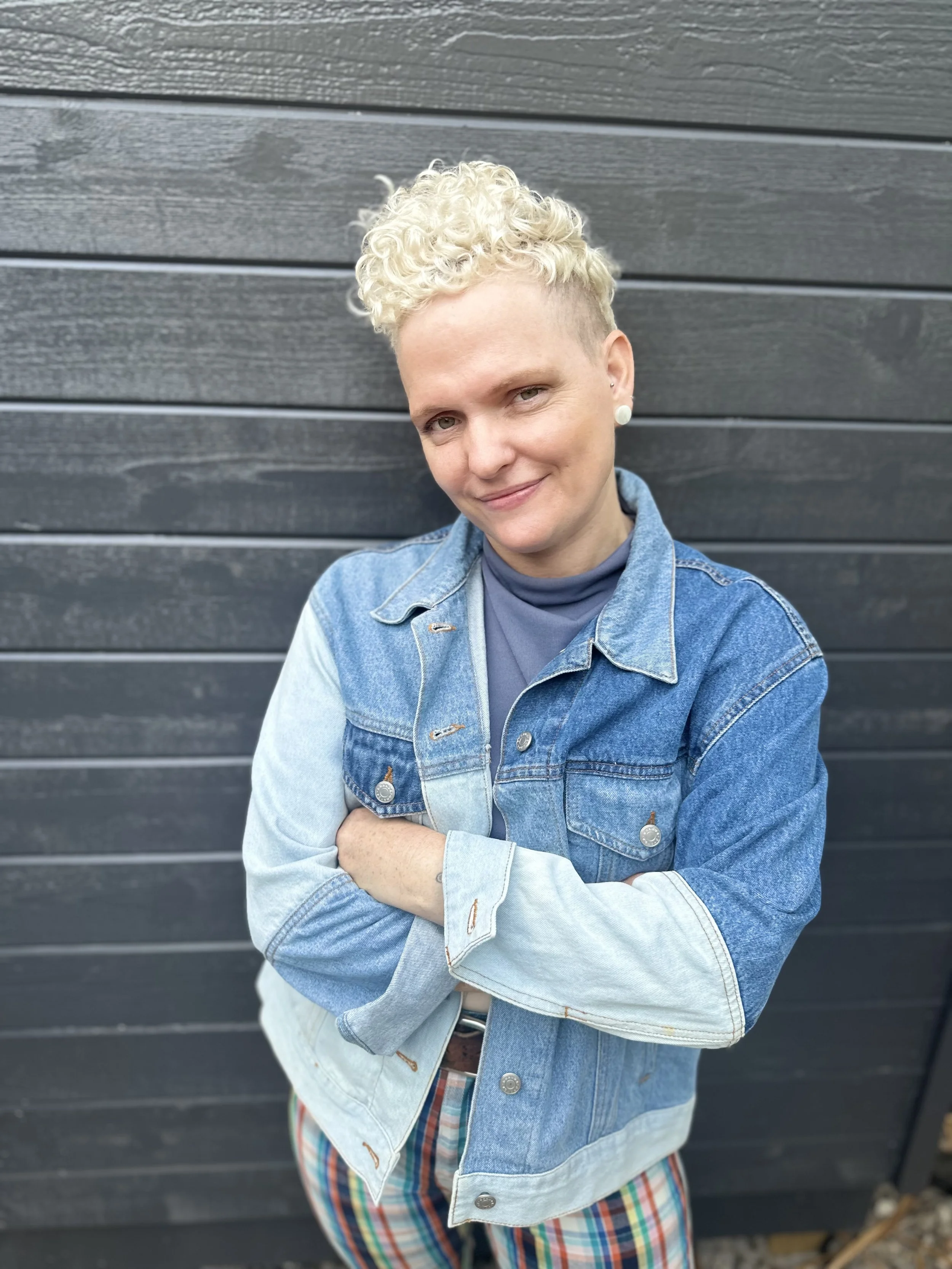
I'm a Mental Health Occupational Therapist and Somatic Sexologist based on the Sunshine Coast, QLD, working with individuals and across Australia and internationally.
My work sits where mental health, sexuality, disability and chronic illness meet. Anxiety, depression, sexual challenges, trauma, pain and shame can touch every part of life: your body, your emotions, your relationships and your sense of self. My dual qualifications mean I can support you physically, emotionally, psychologically, and relationally.
I use evidence-based psychological strategies alongside body-based somatic tools and practices. Unlike traditional talk-based therapy, we don't just talk about how you feel; we work with how it shows up in your body and your life.
I work collaboratively with GPs, Psychiatrists, Gynaecologists, Physiotherapists and other members of your care team, because your wellbeing needs a whole-team approach.
I offer telehealth and in-person sessions. As a Medicare Mental Health Endorsed Occupational Therapist, I can accept referrals under a Mental Health Care Plan from your GP, so you can access my services with a Medicare rebate (see fees for more information).

As seen in or collaborated with





FAQs
-
Pelvic pain
Vaginismus & vulvodynia
Dyspareunia (painful sex)
Sexual changes after injury or treatment
Pelvic floor dysfunction
Dissociation & disconnection from the body
Nervous system dysregulation
Difficulty reaching orgasm
Low libido/low arousal
Mismatched libido/mismatched desires
Reduced genital sensation or numbing
Performance anxiety
Sexual shame
Sexual anxiety
Difficulty with sexual communication & boundaries
Sensory sensitivities, overwhelm or “checking out” during sex
Challenges with sex after illness, childbirth, injury, or surgery
-
I create an inclusive, affirming, and safe space for individuals of all genders, sexualities, and identities. I create a sex-positive & LGBTQIA+ inclusive space, with support for gender affirmation and neurodivergence. I provide trauma-informed care and work with people of all abilities and disabilities.
Medicare Mental Health Care Plans
Medicare Chronic Disease Management
NDIS Participants
NIISQ
CTP
Private Paying
-
Mental Health Occupational Therapists are allied health practitioners who understand how emotional wellbeing, trauma, stress, pain, sensory processing, and life experiences can affect your day-to-day functioning.
When it comes to sexual health, that means working with you to navigate the physical, emotional, and relational impacts of chronic illness, pelvic pain, trauma, or complex health conditions.
We’re problem-solvers.
With my dual qualifications, I am able to look at what’s getting in the way and then work with you to find creative, practical, body-based strategies that help you feel safer, more connected, and more like yourself.
What does that look like in practice?
Managing sexual changes after a diagnosis: We might work through how to manage your fatigue, pain, body image, changes in desire or arousal, and how to communicate all of that with a partner/s.
Pelvic pain: Together we might explore what's driving the pain response, learn pain science, build your body awareness, reduce fear and avoidance, and find ways back to comfortable, connected intimacy.
Dissociation and sexual health: For people who feel disconnected from their body during intimacy, (whether from trauma, chronic illness, or pain) somatic approaches can help rebuild that felt sense of safety and presence in your own body.
Chronic illness: We might work on strategies to navigate your symptoms, understand your desire pathways, what triggers your pain flares, and the emotional weight of a diagnosis; finding ways to reconnect with yourself and your partner/s on your terms.
-
A Sexologist is someone who has studied the science of sex; the anatomy, physiology, psychology, and cultural influences that shape how we experience arousal, desire, and pleasure.
Somatics refers to the body and our felt sense of it. Somatic practices work with the nervous system and physical sensations to deepen body awareness and strengthen the connection between what we feel physically and what we experience emotionally.
Somatic Sexology brings these two things together. Rather than only talking about sexual health, we work with what the body is actually holding, tension, fear, numbness and disconnection and gently move through it.
For many of my clients, illness, pain, trauma, or a difficult diagnosis has changed the way they experience their body. Sex and intimacy can start to feel unsafe, unfamiliar, or simply out of reach. Somatic Sexology is about changing that — rebuilding body awareness, restoring a sense of safety, and finding your way back to pleasure on your own terms.
Applications of Somatic Sexology include:
Rebuilding the connection between body and mind: Through guided body-based work we can use the brain's own capacity for change to build new pathways, restoring sensation, awareness, and safety from the inside out.
Boundary and desire clarification: Learning to recognise, trust, and communicate what your body wants — and what it doesn't — so intimacy feels safe, clear, and authentically yours.
Addressing sexual challenges: Whether it's low desire, difficulty with arousal or orgasm, or discomfort during intimacy, we work with the body directly to understand what's getting in the way and gently shift it.
-
No. And I'd actually challenge that premise.
You don't need to have already processed trauma to benefit from somatic support, which can include nervous system awareness, creating body boundaries, increasing your interoceptive awareness and developing dissociation strategies. These aren't separate from trauma work, they are trauma-supportive. Body-based approaches work with the nervous system directly, without needing you to recount or verbally relive your trauma. Together, we can improve your body safety and capacity to hold challenging body sensations connected to emotions so that specific trauma work doesn’t completely overload you.
The most important need is that you are open to working with your body and feel curious about wanting to inquire and learn from your body and mind.
I'm not a trauma therapist. If you're looking for someone to process trauma with you directly, I can provide specific recommendations. Please reach out via email.